





The World’s Most Trusted Yoga Community
Over 250K yoga lovers and wellness seekers like you have chosen BookYogaRetreats for their unforgettable retreats so far. Hear what they have to say about us!

optional
Want to deepen your yoga practice while soaking in the serene beauty of the Peruvian landscape? If that’s the case, a yoga teacher training in Peru might just be the life-changing experience you’re looking for!
Imagine starting your day with sun salutations against the backdrop of the Andes, the air crisp and invigorating, and the hum of nature surrounding you. With its rich spiritual heritage, Peru offers a unique environment for yoga teacher training unlike your typical classroom setting.
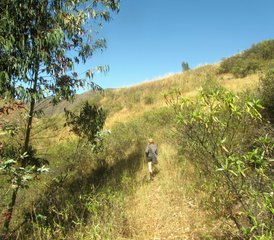
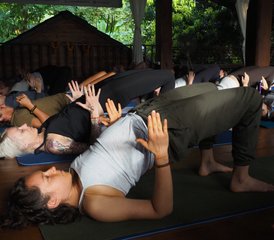
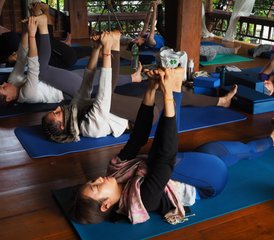
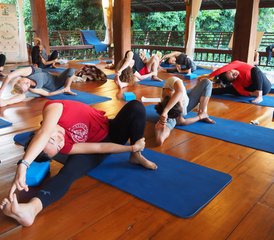
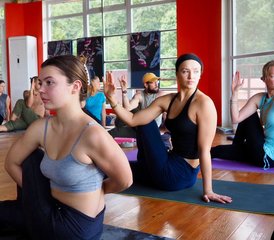
You’ll be immersed in nature for most part of your training. Whether you’re close to the lush Amazon jungle, nestled in the Sacred Valley, or high up in the Andes, the natural beauty of the environment is just inspiring. Expect to practice yoga in open-air shalas with breathtaking views that make you feel connected to something much bigger than yourself.
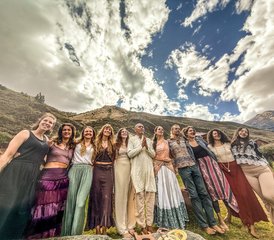
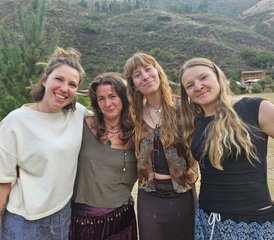
Also, most programs weave in local traditions and include elements of Andean spirituality, shamanic practices, and meditation. You’ll also be part of an incredible community of individuals with a shared love for yoga and a desire for personal growth. You’ll leave the training with lifelong friendships, as well as a network of supportive yoga teachers.
Choosing the right teacher training program can be an exciting and overwhelming task, especially with so many options. However, it’s crucial as you’re choosing an experience that could shape the future of your yoga practice and teaching.
Think about your goals. Consider the style of yoga you resonate with whether it’s Vinyasa, Hatha, or something more spiritual like Kundalini. It’s important to consider the location as well, as your surroundings will deeply influence the experience.
We recommend researching the credentials of your instructors and looking up reviews of the program you’re interested in. Make sure that your teachers are not only certified and that they also have a solid practice and teaching style that aligns with your goals.
Some programs may accept complete beginners, offering a comprehensive introduction to yoga alongside the teacher training. These usually focus on building a strong foundation while preparing you to teach. However, it’s generally recommended for participants to have a basic understanding of yoga, and to have at least 6 months to a year of practice before enrolling.
It’s important to note that requirements may vary depending on the program, so make sure to check with the organizer beforehand.
Yes, you can start teaching yoga after completing a yoga teacher training course in Peru, especially if you’ve completed a 200-hour certification.
Even so, remember that while you’re officially certified, your journey as a teacher will continue to evolve. Many graduates often jump right into teaching, while others want to gain further experience by taking on small classes or assisting experienced instructors.
Also, don’t forget to check the requirements or certifications needed in your area or the studio you want to teach.
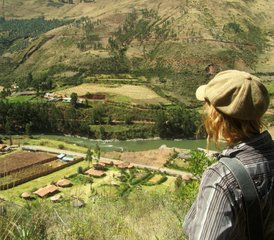
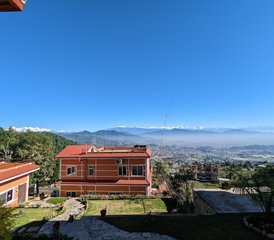
The Sacred Valley in Peru is a dream destination for yoga teacher training, and it's easy to see why. Located in the Andes, this serene valley feels like it's alive with ancient energy. Most programs here are all about connecting with the land, the culture, and something deeper. Also, the stunning scenery and rich history make every moment feel like a journey and not just a practice.
Cusco, once the capital of the Inca Empire, is another incredible place to train. WIth its mix of history and vibrant culture, Cusco has a unique energy that's perfect for yoga. Here, you practice becomes a bridge between the past and present, where spiritual traditions meet modern wellness. It's a destination where you can feel grounded and inspired, all at once.
And for those craving nature's embrace, the Amazon Jungle is pure magic. The lush rainforest surrounds you in a peaceful yet wild energy, making it the ideal place to go on a transformative journey. Many programs here blend yoga with shamanic practices and plant medicine ceremonies, inviting you to open up to healing on every level. It offers the chance to unplug from the world and immerse into nature.
The best time to go on a yoga teacher training course in Peru depends largely on the kind of experience you're looking for, but generally, the most favorable months are during the dry season, which runs from May to September.
During these months, you’ll enjoy clear skies, mild temperatures, and less rainfall, making it perfect for outdoor yoga sessions and exploring the breathtaking landscapes.
Accommodation options for yoga teacher training in Peru vary widely depending on the location and program, offering something for every budget and preference.
Many retreats, especially in areas like the Sacred Valley or the Amazon Jungle, offer eco-lodges and retreat centers designed to blend harmoniously with nature. These accommodations often use local, sustainable materials and provide a peaceful, immersive environment perfect for yoga and introspection. You can choose between shared dorms for a more social and affordable experience, or private rooms if you prefer solitude and comfort.
In cities like Cusco or even in the Sacred Valley, some programs offer boutique hotels or guesthouses with modern amenities like private rooms, Wi-Fi, and spa services.
You’ll typically be served with nourishing, wholesome, and plant-based meals that support physical and spiritual well-being. Many programs offer vegetarian or vegan meals, featuring fresh, locally sourced ingredients that reflect the vibrant, diverse flavors of Peruvian cuisine. Expect a mix of fresh fruits, vegetables, grains, legumes, and quinoa - the “mother grain” of Peru.
Meanwhile, beverages include smoothies, herbal teas, and fresh juices made from tropical fruits like mango, papaya, and passion fruit. You may also find mate de coca (coca tea), a traditional Andean beverage known for helping with altitude adjustment.
Participants are expected to approach the training with humility, openness, and integrity, respecting personal space, boundaries, and the experiences of others. Punctuality and commitment are essential too, as the training is intensive and requires consistent attendance to fulfill certification requirements.
A mindful lifestyle is also encouraged, with many programs promoting a plant-based diet and refraining from alcohol, drugs, or smoking to maintain clarity and focus. Most programs emphasize non-competition and are committed to fostering an atmosphere where students encourage each other’s growth without comparisons.
Confidentiality and respect for privacy are vital, as personal stories and experiences are often shared in a safe, trusting space.
Yes, most yoga teacher training programs in Peru are structured in a way that allows some time for personal exploration and other activities outside of the training. Do note, however, that the schedule can be quite intense and immersive, so expect to spend around 6-8 hours a day in classes, workshops, and practice sessions, leaving evenings and some weekends as your designated downtime.
There’s plenty to explore and do in Peru, such as hiking to ancient Inca sites like Machu Picchu, visiting local markets, or connecting with the surrounding culture. Some programs may also offer excursions as part of the training, offering you the opportunity to discover more of Peru’s iconic sites and landmarks.
Yes, many programs in Peru offer excellent opportunities for you to interact with locals. This is because Peru’s rich history, traditions, and indigenous practices often become an integral part of yoga training in the country, allowing you to deepen not only your yoga practice but also your connection to the local culture.
Activities may include guided tours to ancient sites like Ollantaytambo, or partaking in local ceremonies such as Pachamama (Mother Earth) ceremony. You may also get the chance to interact with indigenous communities and learn about their traditional healing practices.
In Peru, there aren't specific national holidays directly related to yoga, but there are several cultural and religious events that can enrich your yoga training experience.
One of the most significant is Inti Raymi (Festival of the Sun), celebrated in Cusco every June. This ancient Incan festival honors the sun god, Inti, with rituals, music, and offerings to Pachamama (Mother Earth). Attending this event offers a deep dive into Andean spirituality, which often aligns with the principles of yoga.
Many yoga programs in regions like the Sacred Valley also incorporate Andean spiritual ceremonies as part of their curriculum. These ceremonies, which include offerings to the Earth and prayers to the Apus (mountain spirits), connect you with the land’s energy and enhance your yoga practice through rituals rooted in the region’s spiritual traditions.
It depends on the specific program you choose. Programs held in more remote areas tend to include airport transfers in the package, especially for international arrivals.
However, this may not be true for all programs, so it’s important to confirm this with the organizers in advance.
Machu Picchu remains the crown jewel of Peru’s tourist attractions and one of the most iconic landmarks in the world. As the ancient Inca citadel perched high in the Andes, it draws millions of visitors annually, making it the country’s top destination. Its breathtaking views, historical significance, and spiritual energy make it a bucket-list destination for history buffs, adventurers, and those seeking to connect with the ancient past.
In addition to Machu Picchu, Cusco itself is a must-visit. As the former capital of the Inca Empire, Cusco is filled with colonial architecture, Incan ruins, and vibrant local culture. Highlights include the Sacsayhuamán ruins, Qorikancha (the Temple of the Sun), and the bustling San Pedro Market. Cusco is also the gateway to the Sacred Valley, home to remarkable Incan sites like Ollantaytambo and Pisac, as well as opportunities for hiking, exploring, and immersing yourself in indigenous traditions.
Not far from Cusco, the Sacred Valley offers a stunning backdrop of snow-capped mountains and fertile lands dotted with ancient terraces, ruins, and small villages. Visiting Moray (the Inca agricultural laboratory), Maras (salt mines), and Chinchero (a traditional Andean village) gives you a deeper sense of Inca history and the Andean way of life. The Sacred Valley is perfect for adventure enthusiasts who want to explore, hike, or even try rafting or zip-lining.
While Machu Picchu grabs all the attention, Rainbow Mountain, or Vinicunca, is a stunning natural wonder that has gained popularity in recent years. Located in the Andes near Cusco, this colorful mountain features vibrant red, yellow, and green hues, creating a breathtaking scene. The trek to the summit offers not only amazing views but also a glimpse into the daily lives of indigenous Andean communities.
There’s also Arequipa, a charming city often referred to as the "White City" due to its stunning colonial architecture made from white volcanic stone. Surrounded by dramatic volcanoes like Misti, Arequipa offers a blend of cultural and natural beauty. A visit to the Santa Catalina Monastery, which feels like a city within a city, is a highlight. Just outside the city, you can explore the Colca Canyon, one of the deepest canyons in the world, where you’ll have the chance to see the majestic Andean condors soaring high above.
For an adventure in the desert, Huacachina is a small oasis town nestled amidst vast sand dunes. It’s the perfect spot for sandboarding and exhilarating dune buggy rides. The town’s lagoon and palm-lined shores make it a peaceful place to relax, while the surrounding dunes offer an exciting escape for adrenaline seekers.
In Peru, the official language is Spanish, which is spoken by the vast majority of the population. However, Peru is also home to a rich indigenous heritage, so Quechua and Aymara are also spoken by indigenous communities, particularly in the Andean and highland regions.
As for English, it is not widely spoken in most parts of Peru, especially in rural areas or more remote regions. You’ll find that it’s more common in larger cities like Lima or Cusco, particularly in tourist areas.
Peruvian cuisine is a feast for the senses, with rich flavors and diverse influences from its Andean, coastal, and Amazonian regions.
One of the most iconic dishes is ceviche, made with fresh fish marinated in lime juice and seasoned with chili, onions, and cilantro. It's often served with sweet potatoes and corn. Another must-try is lomo saltado, a stir-fry of beef, tomatoes, and onions with a touch of soy sauce, blending Chinese and Peruvian flavors.
For something creamy, aji de gallina offers a rich chicken stew made with a yellow chili sauce, cheese, and walnuts, usually served with rice and boiled potatoes. Craving something hearty? Pachamanca is a traditional Andean dish where meats, potatoes, and corn are cooked in an underground oven with hot stones. It’s a flavorful meal best shared with friends and family.
To wash it all down, don't miss Inca Kola, a sweet, fruity soda that's a local favorite. And for dessert, churros filled with manjar blanco (sweet caramelized milk) are a treat you’ll find in many bakeries and street vendors.
When visiting Peru, it’s important to respect local customs and show politeness in your interactions. A warm handshake is the typical greeting when meeting someone, and close friends may exchange a kiss on the right cheek. In general, people in Peru appreciate courteousness, so using phrases like "por favor" (please), "gracias" (thank you), and "disculpe" (excuse me) is always appreciated. Additionally, addressing elders with formal titles like "Señor" (Mr.) or "Señora" (Mrs.) is customary, as respect for older generations is deeply ingrained in Peruvian culture.
In rural or indigenous areas, modest dress is expected, especially when visiting churches or sacred sites. While cities like Lima or Cusco have a more relaxed dress code, it’s respectful to avoid revealing clothing when exploring smaller towns or villages.
Similarly, it’s always polite to accept food or drink if offered, especially in rural areas where hospitality is an important cultural value. Refusing an offer might be regarded as rude, so a simple "thank you" and a taste of what’s offered is a kind gesture.
Peruvians also value personal space, particularly in urban areas like Lima, where people tend to keep more distance during conversations. In markets or with street vendors, bargaining is part of the experience, and it’s typically done in a friendly manner. However, make sure to approach negotiations with respect and a sense of humor, rather than aggressiveness.
Tipping in Peru is appreciated but not always mandatory, and it varies depending on the service. In restaurants, a 10% service charge is often included in the bill, especially in tourist areas, but if it’s not, leaving a 10% tip is customary. For smaller eateries, tipping isn’t expected, but it’s still a nice gesture for good service.
The altitude can be a challenge, especially if you're visiting high-altitude destinations like Cusco, Puno, or the Sacred Valley. It's common to experience symptoms of altitude sickness, such as headaches and dizziness, so it's important to stay hydrated, take it easy for the first couple of days, and consider drinking coca tea, which is believed to help with altitude acclimatization.
Also, Peru is a cash-based society, and while credit cards are accepted in larger cities and tourist spots, it's a good idea to always carry cash (preferably in soles, the local currency) when traveling to smaller towns or rural areas. Remember to be cautious with your money, and avoid displaying large amounts of cash in public to reduce the risk of theft.
Public transportation can vary widely in Peru. In major cities like Lima and Cusco, buses and taxis are commonly used, but they may not always be the most reliable or comfortable. It's often better to use official taxis or rideshare apps for a safer experience.

Buy a BookYogaRetreats gift card for anyone seeking relaxation, mindfulness, and meaningful travel experiences. From peaceful beachfront escapes to immersive wellness retreats, let them choose from inspiring yoga getaways around the world.
Over 250K yoga lovers and wellness seekers like you have chosen BookYogaRetreats for their unforgettable retreats so far. Hear what they have to say about us!
enjoyed through us worldwide
recommend booking with us
4.6 star average organizer score
“Amazing experience... most recommended”
 South Korea
“What an amazing experience I had a total reset💜”
 United States
“Yoga Teacher Training at Sundari was a wonderful experience.”
 United Kingdom
Proceeding confirms you accept Tripaneer’s terms & privacy policy.
We have sent you an email to validate your email address. Once you have followed the link provided, you can access all Tripaneer websites.
Check your email for the confirmation email. It will have a link to reset your password.