
54 Day 500-Hour Kundalini Yoga Teacher Training in Rishikesh, India
Intensive Yoga Teacher Training India
D'vine Yoga 500 Hour Kundalini Yoga Teacher Training Course is not just to certify you as a yoga teacher. Still, they will also train you to explore life's full potential and make you capable of standing apart in the current global market of teaching yoga. The 500-hour yoga teacher training course in Rishikesh, India, is a comprehensive program covering Hatha yoga, Ashtanga Vinyasa yoga, yoga history and philosophy, mudra poses, pranayama, mantra chanting, and human anatomy, among other topics. Different alignments and training methods are used to teach these styles of yoga. Kundalini is a form of yoga that offers divine feminine energy, with its concept rooted in Shaivism (Lord Shiva). This is the place to successfully complete the 500-hour Kundalini yoga teacher training course by learning all the basic and advanced features of Kundalini yoga.
Meet the instructors
Highlights
- Therapeutic yoga session
- Ancient and secret techniques of pranayama
- Per-day detailed explanation of one-by-one asana techniques
- Eligible to register with Yoga Alliance upon completion
- Weekend excursion to a temple in Rishikesh
- 53 nights of cozy accommodation
- Yoga materials included
- 3 meals daily (except Sunday only breakfast)
Skill level
- Beginner
- Intermediate
- Advanced
Yoga styles
53 days with instruction in English
Accommodation
Facilities
- Environmentally friendly
- Terrace
- Yoga studio
- Free parking
- Free Wi-Fi
Are you longing for nature? For watching the Himalayan mountains, feeling the warmth of the sun, listening to the birds, and breathing fresh air?
D'vine Yoga School, Rishikesh, India located near the river "Ganges" in the lap of the 'Himalayas' and provides a wide, calm space. Far away from all the daily troubles in nature, temples will make this journey even more adorable.
Rishikesh is the place of priests, scholars, yoga masters, spiritual seekers, devotees, and pilgrimages. Holy River Mother Ganges, ancient temples, and mountain Himalayas respectively take us inside the root of Yoga or Sadhna. This city is also known as the Yoga City and the City of Spirituality. D'vine Yoga School is one of the well-established and professionally certified Yoga schools in Rishikesh.
Do you need a space to learn for the TTC? The spiritual river Ganges, surrounding mountains, and common areas are the best places for it. The yoga capital of the world "Rishikesh" is your home for your learning experience. You are going to sleep in a cozy double room with your bathroom and a shared kitchen.
- Single occupancy 400 EUR extra
- You have to pay an additional cost of 325 EUR for an air-conditioned room
Program
Certification
Students who complete the training are eligible to register with Yoga Alliance as Registered Yoga Teachers (RYT®).
Prerequisites
500-hour Kundalini Yoga Teacher Training Course (YTTC) is suitable for beginners, intermediate, and advanced practitioners. As our training schedule is quite intensive. For this reason, we recommend that you have some prior experience or familiarity with Hatha Yoga, Ashtanga, or Kundalini Yoga, whether through online or offline practice.
It would be beneficial if you have regularly or frequently attended classes in any style of yoga, such as Hatha, Ashtanga, or Kundalini. Additionally, having done any retreats, such as silence retreats, Vipassana, or other workshops and seminars related to the yogic path, can be valuable.
As part of the training, we also observe partial silence to support your inner journey and help you receive the full benefit of this immersive experience.
The 500-hour Kundalini YTTC in Rishikesh involves packed hours of sessions, classes, lectures, and activities that students are expected to be present for. This requires a high level of self-discipline, and they expect students to be motivated for the same. Apart from this, the yoga school in Rishikesh also follows strict standards of purity, so substances like alcohol, tobacco, drugs, and even caffeine, non-vegetarian food, and nudity are to be strictly avoided.
500-Hour Kundalini Yoga Teacher Training Course In Rishikesh
The 500-hour Kundalini Yoga Teacher Training course in Rishikesh provides an unforgettable experience. By doing this, you can get multiple physical and mental benefits. Yoga helps you get a relaxed and calm mind.
It relaxes your overall body and calms you from the inside. By joining this yoga teacher training course, anyone can achieve mental, physical, emotional, and spiritual benefits. The most notable fact about this class is that the things you will learn from here will stay with you for a lifetime.
The training will help you teach people the importance and benefits of Kundalini yoga and how one can achieve the best results. By completing this training, you can assist those who are interested in practicing these styles of yoga.
What is Kundalini yoga?
Kundalini yoga is all about describing the seven chakras in the body. The word chakra means wheel, symbolizing the energy flow within. These seven chakras are energy centers that help regulate emotions. According to meditation experts, if the chakras are out of sync, they can negatively impact physical, mental, and spiritual health. Each of the chakras has different functions in the body. Here, the seven chakras are defined.
Names of the seven chakras
Root Chakra
The Root chakra is one of the first chakras of our body, which is generally located in the spine. This chakra helps you connect your mind to your body. This chakra gives you the feeling to connect your soul to the earth.
- Sanskrit name: Muladhara
- Location: Base of spine
- Color: Red
Sacral Chakra
This chakra is located below the belly button. This chakra depends upon the lymphatic system. It expresses the emotions of the human body and is also responsible for producing sexual desires.
- Sanskrit name: Svadhisthana
- Location: Behind the pubic area
- Color: Orange
Plexus Chakra
This is the third chakra of the human body that is generally placed behind the navel region. The chakra is responsible for the gut feeling. It creates self-confidence and wisdom, discipline in your life.
- Sanskrit name: Manipura
- Location: Naval
- Color: Yellow
Heart Chakra
This is the fourth chakra, which is also known as the heart chakra. The chakra is responsible for generating love and compassion in the human body. The chakra is located at the center of your chest and ensures the mental health of the human body, and also helps to heal a person mentally.
- Sanskrit name: Anahata
- Location: Heart
- Color: Green or Pink
Throat Chakra
This is the fifth and most important chakra in the human body, which is responsible for voicing your expression. The chakra is located in the heart and is responsible for sharing opinions with each others.
- Sanskrit name: Vishuddha
- Location: Throat
- Color: Sky Blue
Third Eye Chakra
The Third eye chakra is the sixth chakra, which means beyond wisdom. This chakra is responsible for regulating the function of the body and maintaining the hormonal balance. It is located in between the eyebrows, and that's why it is named as third eye chakra.
- Sanskrit name: Ajna
- Location: Middle of the eyebrows
- Color: Indigo
Crown Chakra
The Crown chakra is the seventh chakra that is responsible for connecting the conscious energy to the almighty. This chakra is located on the top of your head and defines the Buddhist concept. By balancing this chakra in your body, you can gain insight into yourself and balance your other chakras. Well, this is not possible for a human being to control this chakra completely.
- Sanskrit name: Sahasrara
- Location: Top of head
- Color: White or violet
What are the Features of Kundalini Tantric Yoga Training?
During the 500-hour Kundalini yoga courses in Rishikesh, trainees are taught how to detoxify and release negative energy from the body in a systematic manner. Theory lessons and practical sessions guide trainees in detoxifying their minds to gain positive energy and enhance their vitality. Every detail of Kundalini Tantric yoga is discussed, along with the scientific evidence that supports it.
The best experts help learners grasp everything in a systematic and structured way. Trainees are taught how to recognize others' mindsets and attitudes, enabling the creation of personalized yoga sessions. Additionally, instruction includes pressure points located in the body and their health benefits.
What will you learn?
- How to incorporate a personal daily practice into your routine.
- Everything about yoga, its philosophy, anatomy, postures, and history.
- Skills to eliminate health problems, including stress and other mental problems.
- Training to guide, motivate, and gain the confidence of students.
- Hatha yoga practices for balancing Shiva and Shakti
- Breath-based Kundalini awakening asanas practice
- Kundalini awakening pranayama (innovative and new techniques for increasing prana)
- Kundalini awakening kriyas
- Bandhas
- Mudras
- Shatkarmas
- Philosophy of understanding Kundalini and Kundalini energy
- Understanding of Purusha and Prakriti
- Understanding of Nadis (energy channels)
- Chakras system with PPT
- Therapeutic yoga for pelvis opening
- Meditation (various kinds of meditations), e.g., subtle breath awareness meditation, space meditation, Panchkosha meditation, Shiv Tattva meditation, sleeping awareness meditation, mantra meditation, etc.
Curriculum
Kundalini Yoga Philosophy
- Introduction to Kundalini yoga
- Understanding Shiva and Shakti
- Understanding Prakriti and Purusha
- Understanding self and higher self
- Introduction to chakras
- Definition and understanding of chakras
- Muladhara chakra (root chakra)
- Swadhistana chakra (sacral chakra)
- Manipura chakra (solar plexus chakra)
- Anahata chakra (heart chakra)
- Agya chakra (throat chakra)
- Ajna chakra (third eye chakra)
- Sahasrara chakra (crown chakra)
- Kundalini awakening kriyas
- Power mantras
- Ayurveda and doshas
- Panchpranas (5 Vayus and 7 Dhatus)
Kundalini Anatomy
- Understanding Nadis (Energy Channels)
- Anatomy of the Chakras
- Understanding Panchkoshas (5 Sheaths)
- Understanding Fascia
- Breathing Mechanism
- Respiratory System
- Nervous System
- Brain Anatomy
- Spinal Anatomy
- Pelvis Anatomy
Kundalini mudra and bandhas
- Udiiyana Bandha
- Mool Bandha
- Jalandhar Bandha
- Maha Bandha
Kundalini yoga asanas
- Warm-Ups
- Asanas for Stretching Thorax & Spine
- Variation of Triangle Poses
- variation of Warrior Poses
- Variation of Eagle Pose
- Agni Sara Dhoti
- Sahaj Agni Sara Dhoti (Standing & Sitting)
- Vajrasana
- Salabhasana
- Dhanurasana
- Ardha Matsyendrasana
- Paschimottanasana
- Janushirshasana
- Rajakapotasana
- Ushtrasana
- Setu Bandhasana Chakrasana
- Naukasana
- Supta Vajrasana
- Matasyasana
- Agni Sara Kriya
- Standing Uddiyana Bandha
- Nauli Kriya
- Shasankasana
- Pavanamuktasana
- Sarvangasana
- Variations of Sarvangasanas
- Halasana
- Ardha Shirshasana
- Shirshasana
Kriya yoga practices for Kundalini yoga
- Rules & Preparation
- Postures
- Chakra Sadhana
- Practices to awaken the Ajna Chakra
- Practices to awaken Mooladhar Chakra
- Practices to awaken the Swadhisthan Chakra
- Practices to awaken Manipura Chakra
- Practices to awaken Anahata Chakra
- Practices to awaken Vishuddhi Chakra
- Practices to awaken Bindu
- Practices to awaken Chakra Awareness
Meditations
- Space Meditation
- Panchbhuta Meditation
- Mantra Meditations
- Subtle Breath Awareness Meditation
- Shiv Tattva MeditationSanjeevani Kriya Meditation
- Sleeping Awareness Meditation
Yoga techniques, training, and practice
- Styles of yoga: Hatha, Hatha Vinyasa, Ashtanga (primary series), Restorative, and 100-hour therapeutic yoga
- Asanas - traditional Hatha and Hatha Vinyasa yoga poses along with their physical, emotional, energetic, and spiritual effects, ranging from beginner to intermediate and advanced level
- Ashtanga (primary series)
- Various breathing exercises and types of pranayama
- Mudras (gestures) and Bandhas (locks)
- Pranayams
- Shatkriyas - the classical yogic purification technique
- Initiation to Uddiana Bandha (abdominal suction) and Nauli Kriya (abdominal churning)
- Guided deep relaxation techniques including Yoga Nidra
- Meditation - various meditations (guided and unguided), Mantra meditation, breath-based meditation
- Daily teaching and practice class to understand how to teach the asanas - break down the asanas and understand alignment, common errors, and how to correct students' posture
Teaching methodology
- Setting up of the class
- Supporting and helping students, Demonstration, and adjustment.
- Breath-based teaching style.
- Alignment and adjustment-based teaching style.
- Restorative/Therapeutic yoga poses, Use of props, blankets, belts, cushions, chairs, etc
- Qualities of a good Yoga teacher and the learning process of yoga students.
- Sequencing and structure of the class.
- Beginning, building, and concluding a yoga class.
- Art of teaching - 3 types of listening, Voice modulation, Eye contact, Tools for staying present.
- Art of anchoring students' minds.
- Spiritually oriented business of yoga.
- A tool for the successful business of teaching yoga
- Marketing your services and yourself
- The Secret of Powerful Personal Practice
Yoga anatomy and physiology
- Understanding major body systems and organs, particularly emphasizing the digestive, respiratory, and neurological systems
- Gross anatomy, also called physical anatomy (human skeleton, different joints with movement and functions, a detailed discussion of shoulder, pelvis, and knee joints, definition and types of fascia)
- Subtle anatomy ,also called energy anatomy (nature of prana, prana vidya, pranic body, Panch kosha, Panch Vayus, chakras, nadis, and Kundalini energy)
- Functional anatomy (understanding main muscle groups, their movement and functions, muscle-bone connection, impact on the performance of yoga asana, spinal cord function, and structure)
Yoga philosophy, lifestyle, and ethics
- Vedic & Upanishad Sutras
- More In-depth Patanjali Yog Sutra, Bhagavata Gita, Hatha Yoga Pradipika, Etc.
- Advanced Yoga Techniques
- More in-depth Pranayama and Advanced Pranayama Techniques
- More in Depth Chakras.
- Yoga Nidra
- Introduction to Tantra
- What is Tantra?
- Types of Tantra
- Self-Continence
- Sublimation
- Transfiguration
- Consecration
- Causes of Healthy Relationships
- Causes of a Pathetic Relationship
- Conscious Relationship
- Sound Healing
- Mudras
- Bandhas
- Mantras Yoga
- Kriyas
- Alignment and Adjustment for each asana.
- Restorative Yoga
- Therapeutic Yoga for Healthy Breath, Healthy Digestion, Healthy Stress, Healthy Pelvic Floor, Healthy Emotions, Healthy Mind, Balance Nervous System
- Healthy Sleep & Yoga Nidra
- Intro & Practice of Kundalini Yoga
- Anatomy & Physiology
- Intro to Ayurveda
- Ayurveda and Yoga Therapy
Practicum
- Practice practicum in small groups
- Receiving or giving feedback
- Observing and learning from each other's teaching
- Practice teaching in the whole class
- Listening, learning, and uplifting each other
Styles of yoga practice
- Kundalini yoga - yoga for integrating energy
- Traditional Hatha yoga - yoga for balancing and merging/dissolving the self into the higher self
- Therapeutic yoga - yoga for pelvis opening and heart-opening, finding a pelvis-heart connection
- Restorative yoga - yoga for restoring and conserving energy
- Nidra yoga - yoga of sleep awareness, tapping into the powers of the subconscious, and releasing blocked emotions
Course highlights
- Hatha yoga (traditional and classical)
- Hatha yoga with mantras
- Tantrik Hatha yoga
- Yin and Restorative yoga
- Bandhas (locks)
- Mudras (seals)
- Kriyas
- Pranayamas
- Meditations
- Kundalini awakening practices
- Kriya yoga (Sanjeevani Kriya)
- Mantras (Vedic and Tantrik)
- Theory about understanding Kundalini
- Understanding fascia
- Understanding spinal cord and Kundalini energy in depth
- Understanding core muscles and deep front line
- Yoga for pelvis opening and heart-opening, finding a pelvis-heart connection
- Therapeutic yoga for the pelvis
- Ashwani mudra
- Vajrauli mudra
- Sahjauli mudra
Daily Schedule
- 05:30 - 06:30 Pranayama
- 06:30 - 08:00 Kundalini Yoga Practice
- 08:00 - 09:00 Breakfast
- 10:00 - 11:30 Art of teaching/Yoga Sutra /Philosophy of Yoga
- 11:30 - 12:30 Group Discussion
- 12:30 - 14:00 Lunch break
- 14:00 - 15:00 Yoga Nidra/Anatomy
- 15:00 - 16:00 Therapeutic Yoga/Restorative Yoga/Alignment / Adjustment /Details Explanation of each asana
- 16:00 - 17:30 Hatha/Hatha Vinyasa
- 17:30 - 18:00 Break
- 18:00 - 19:00 Meditation/Kirtan /Bhajan
- 19:00 - 20:00 Dinner time
Instructors
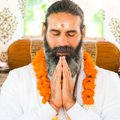
Swami Sachidanand
Swami Sachidanand is a student of yoga since childhood. He is a 500-hour E-RYT with Yoga Alliance. A post-graduate in yoga philosophy, he also holds a 950-hour therapeutic AY teacher training course under accreditation from International Association of Yoga Therapists (IAYT).
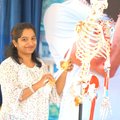
Dr. Hemlata ji
Dr. Hemlata ji was born on 08 December 1985 in New Tehri, located in the Indian state of Uttarakhand. In her school years, she had average grades, but her involvement in extracurricular activities such as debate or speech, and in some school-level projects, was great. After completing her school education. She went on to attend Combined (P.G.) Institute of Medical Science & Research (CIMSR), Dehradun, where she graduated with a Bachelor of Physiotherapy. Upon graduation, she started working in the field of ‘Effect of physiotherapy on Rib-Fracture & Spinal-Cord Injuries.
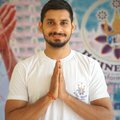
Sudhanshu Ji
Sudhanshu Ji completed his Masters in Yoga from Uttarakhand Sanskrit University, TTC in 2021 where he deepened his knowledge of various yoga styles. He believes that yoga is not just a physical practice but also a path to inner peace and self-discovery. He has a good knowledge of asana, alignment, body anatomy, Ashtanga Vinyasa, breathing techniques, Hatha, Ashtanga, and Meditation. Knowledge about nutrition and weight management. (Can help in diet plans). Well aware of the Vata, Pitta, and Kapha dosha according to Ayurveda.
Retreat location
D'vine Yoga School, Rishikesh, India is located in the lap of the Himalayas and provides a wide, calm space near the River Ganges.

Unique features
General
- Environmentally friendly
- Terrace
- Yoga studio
Services
- Free parking
- Free Wi-Fi
This Yoga Retreat is vegetarian-friendly
Click to see more vegetarian-friendly Yoga Retreats
Food
D'vine Yoga provides three meals a day that include breakfast, lunch, and dinner. On Sundays, there will be only breakfast no lunch and dinner.
The meals mainly consist of vegetables, and fruits that are organic, lactose-free, yogic, and Ayurvedic.
D'vine Yoga provides gluten-free and Vegan food at your request.
They can also provide special consideration if you have a request concerning any further dietary requirements that you have.
The following meals are included:
- Breakfast
- Lunch
- Dinner
The following drinks are included:
- Water
- Tea
The following dietary requirement(s) are served and/or catered for:
- Vegetarian
- Vegan
- Gluten Free
- Other dietary requirements on request
- Ayurvedic
Exclusive Gifts
D'vine Yoga has prepared a few special surprises for you, including unique experiences and thoughtful extras to make your journey even more memorable.

One Additional Night Stay

Two Weekend Excursion

Complimentary Private Consultation

Free Pick up From Dehradun Airport
What's included
- Sattvic meals that include breakfast, lunch, tea, refreshments, and dinner
- Free yoga materials (cleansing materials, study materials, notebooks, and basic stationery)
- Weekend excursion to a temple in Rishikesh
- Wi-Fi available
- Eligibility to register with Yoga Alliance upon completion of the course
- Dance yoga sessions
- 18% GST
- 53 nights of shared accommodation
Included Exclusive Gifts
One Additional Night Stay
Enjoy an extra night of stay before the course begins, giving you time to relax and begin your journey with a calm, stress-free mind.
Two Weekend Excursion
Enjoy weekend excursions including a peaceful temple visit, the beautiful Ganga Aarti, and a local sightseeing experience.
Complimentary Private Consultation
Receive a complimentary private personal consultation with Swami Ji for guidance and clarity on your spiritual journey.
Free Pick up From Dehradun Airport
Enjoy complimentary airport (Dehradun), Rishikesh Train Station, and Rishikesh Bus Stand pickup to ensure a smooth and comfortable arrival.
What's not included
- Flight ticket
- Airport transfer and pick-up
- Therapeutic and Healing massage for 60 minutes with an additional cost.
- Private accommodation (student who wishes D'vine Yoga to arrange for private accommodation would be required to pay an additional amount of 400 EUR)
- Air-conditioned room (this option is available with an addition of 325 EUR)
How to get there
Recommended Airports
Transfer included
Jolly Grant Airport
15 km away from your destination
Transfer available for additional US$ 99 per person
Indira Gandhi International Airport
208 km away from your destination
D'vine Yoga School in Rishikesh is located in the beautiful hills of the Himalayas. Depending on which Indian airport you fly into, there are several ways for you to get to the school. To get a better understanding of the process of getting to D'vine Yoga School, please read the following descriptions:
Arrival by airplane
Wherever in the world you are coming from, Indira Gandhi International Airport (DEL) in Delhi will be your entry point in India if you are heading to Rishikesh. There are no direct flights to Rishikesh. So, if you wish to reach Rishikesh by plane, Dehradun Jolly Grant Airport will be your next destination. You will need to catch a connecting flight to the Jolly Grant Airport in Dehradun from Delhi, then catch a taxi to the D'vine Yoga School.
Arrival by taxi
D'vine Yoga School can arrange your taxi pickup from the Delhi airport or the Dehradun airport. Charges for these services are as follows:
- From Delhi: 85 EUR (one way)
- From Haridwar: 20 EUR (one way)
Taxis will be available as you come out of the airports. Have the D'vine Yoga School address and contact information handy in case you need to contact them for directions! If you are feeling a bit nervous about getting here, don't worry. You can give them a call, and they can help you through the process.
Arrival by bus
If you decide to take a bus to Rishikesh from Delhi airport, you will have to first get to the ISBT (bus stand) by taxi. You can book your bus ticket beforehand. The bus ride from Delhi will take around 7-8 hours.
For the bus route from Delhi, first, you need to get to the Delhi bus stand. The Delhi bus stand is located 30 kilometers from the airport. From the Delhi bus stand, you will then take a bus to Rishikesh. This is a 230-kilometer ride that will take around 7-8 hours. Once you arrive at the Rishikesh bus stand, you can take a taxi to the D'vine Yoga School.
Arrival by train
You can also take a train from Delhi to Haridwar if you wish to travel by train.
From the Delhi airport, you need to get to the Delhi railway station (by taxi) located 22 kilometers away, to catch a train to Haridwar. From Haridwar, you can catch a bus to Rishikesh and catch a taxi to the D'vine Yoga School. The bus ride from Haridwar to Rishikesh is 29 kilometers.
Note: There are no direct trains to Rishikesh, so you will have to go to Haridwar first if you decide to take a train.
Cancellation Policy
- A reservation requires a deposit of 30% of the total price.
- The deposit is non-refundable, if the booking is cancelled.
- The rest of the payment should be paid on arrival.

Reviews

For this organizer you can guarantee your booking through BookYogaRetreats.com. All major credit cards supported.