
































The World’s Most Trusted Yoga Community
Over 250K yoga lovers and wellness seekers like you have chosen BookYogaRetreats for their unforgettable retreats so far. Hear what they have to say about us!
optional
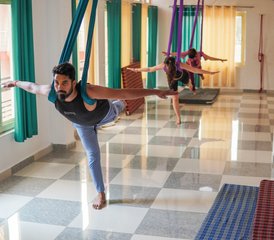
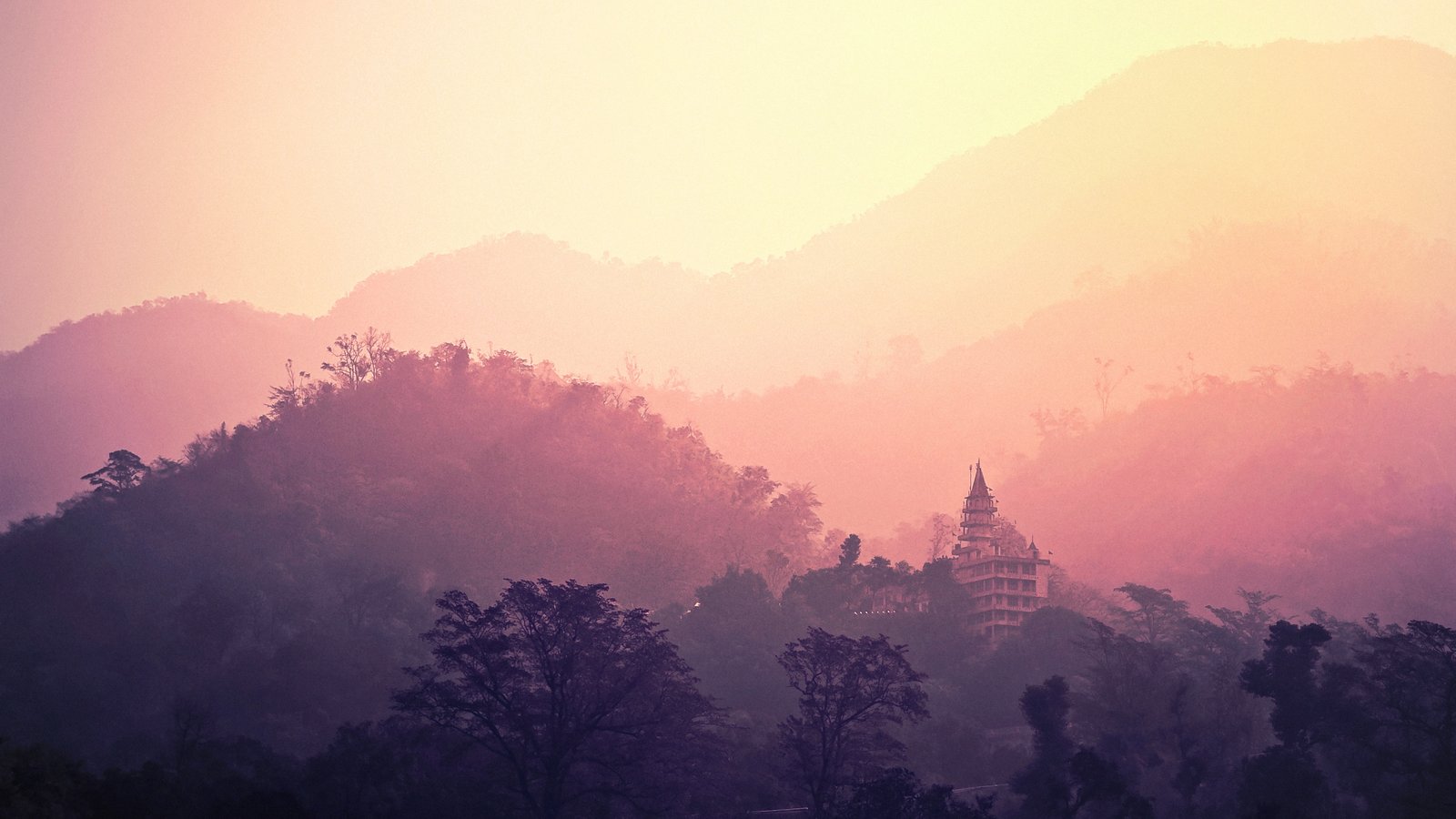
Imagine striking yoga poses while suspended in the air, with the majestic Himalayas as your backdrop. In a nutshell, this is what exactly what an aerial yoga retreat in Rishikesh offers.
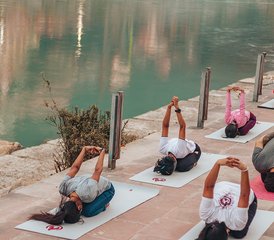
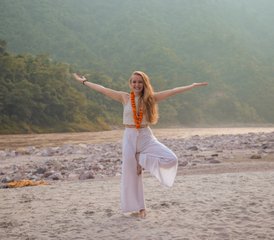
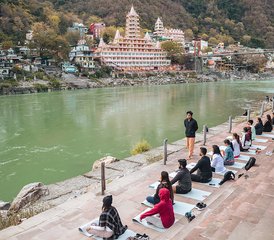
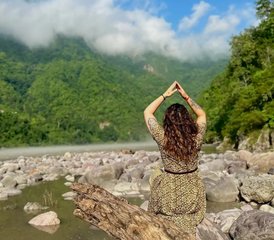
But what makes this experience so special? Nestled along the Ganges River and surrounded by stunning mountain views, Rishikesh is considered the ‘Yoga Capital of the World,’ making it one of the top destinations for yoga retreats.
The peaceful atmosphere is perfect for immersing yourself in yoga practices; add aerial yoga to the mix, and you’ve got a retreat that’s truly one-of-a-kind.
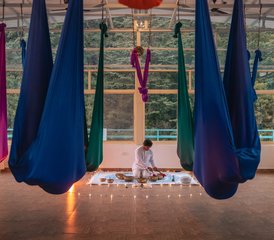
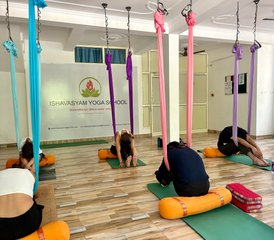
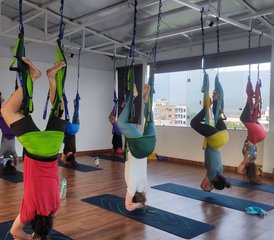
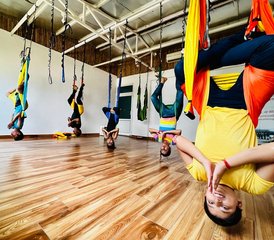
Aerial yoga is an innovative form of yoga where you use a suspended fabric hammock to support and enhance your practice. The hammock lets you explore poses with a greater range of motion, relieve pressure from your joints, and even get into positions that might otherwise be challenging or tricky on a traditional mat.
Essentially, it’s like a mix of yoga, dance, and acrobatics, making the practice therapeutic and fun at the same time.
At an aerial yoga retreat in Rishikesh, you not only get to experience these dynamic aerial yoga sessions, but also benefit from the serene, natural environment and expert instruction. You’ll likely find yourself surrounded by lush nature, with daily sessions that might include meditation or breathwork, as well as nourishing meals.
Mornings often start with a gentle session of aerial yoga. You’ll be guided through various poses using a soft, suspended hammock, which will hel you explore your flexibility and strength in new ways. While doing so, you’ll have picturesque views of the Himlayas, lush greenery or the river as your backdrop, setting the stage for a calming and immersive retreat.
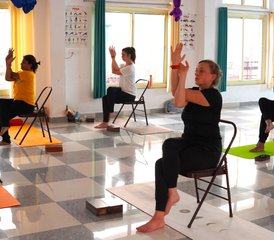
Off the mat, you can expect a variety of other activities. Many retreats include meditation sessions to foster inner calm, and pranayama practices where you’ll learn breathing techniques. You might also participate in workshops or talks about yoga philosophy or wellness-related topics like holistic health.
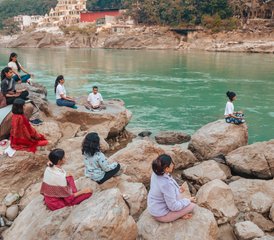
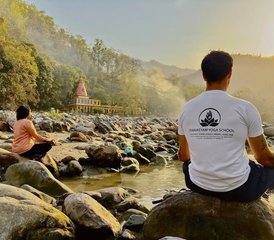
There will also be time for relaxation and self-reflection. In between or after sessions, you can explore the local area, enjoy quiet moments by the river, or just take in the breathtaking views all around you.
Tapovan is a fantastic choice if you prefer a peaceful retreat while being in the embraced of nature. This area is known for its tranquil environment, nestled away from the touristy parts of Rishikesh, and surrounded by lush greenery.
It’s ideal for deepening your practice away from the hustle and bustle, plus many retreats here offer a comprehensive experience that also offers holistic wellness activities alongside aerial yoga.
Laxman Jhula is a popular and vibrant area, famous for its iconic suspension bridge and spiritual atmosphereathmosphere. It’s also a hub for yoga and spiritual seekers, with numerous ashrams offering a range of practices.
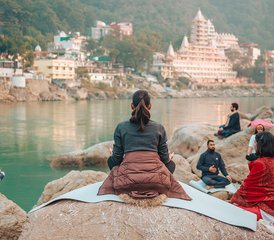
If you choose to stay in Laxman Jhula, you’ll be right by the Ganges River, which adds a beautiful, calming backdrop to your yoga sessions. Cafes and shops also line the area, making it convenient for enjoying local cuisine, shopping for souvenirs, or simply exploring the lively surroundings.
Not far from Laxman Jhuka, you’ll find Ram Jhula, another area worth visiting. It features the charm of Ganges River but is less busier than Laxman Jhula. It’s unique appeal mainly lies in its serene ambiance combined with easy access to the river, spriritual sites and local eateries, as well as cultural attractions.
For a more traditional experience, head to Swarg Ashram. Located slightly away from the main hustle of Rishikesh, this area is home to several established yoga centers and ashrams. The calm and spiritual ambiance here creates a perfect setting for deeply engaging in aerial yoga while also exploring a rich spiritual journey.
The ideal time to visit Rishikesh is during spring (March to May) and autumn (October to November). During these months, the weather is generally pleasant, with mild temperatures and lower humidity.
Both seasons also offer comfortable conditions for outdoor activities, allowing you to fully enjoy your aerial yoga sessions amid the beautiful natural surroundings.
If you plan to go on an aerial yoga retreat in Rishikesh, you’ll find a variety of accommodation options to suit your needs and preferences.
For a touch of luxury, you can choose from upscale resorts that offer spacious rooms, private balconies, and amenities like swimming pools and spa services, ensuring a high-end, relaxing experience. But if you prefer something more charming yet comfortable, boutique hotels provide a cozy atmosphere with personalized touches.
Yoga ashrams also offer a deeper immersion into the yoga lifestyle, with simple accommodations that focus on spiritual and communal living. Budget-conscious travelers might also opt for homestays or guesthouses, which offer basic comfort and a chance to interact with local hosts.
You’ll enjoy various food and beverages that align with the holistic and wellness-focused nature of the retreats. Generally, the cuisine is fresh, nutritious, and designed to complement your yoga practice. This might include healthy, vegetarian, or vegan meals featuring fresh fruits, whole grains, and local vegetables.
Breakfast might include options like smoothies, oatmeal, or traditional Indian dishes. You'll enjoy wholesome dishes such as salads, soups, rice, and vegetable curries. Snacks are typically light and healthy, like nuts or energy bars, and beverages include herbal teas, fresh juices, and coconut water.
Besides your yoga sessions, you’ll likely participate in guided meditation and pranayama classes, which help you relax and enhance your breathing. Many retreats also include workshops on yoga philosophy, nutrition, and holistic health, giving you deeper insights into your practice.
You might explore the stunning natural surroundings with nature walks or hikes, and enjoy cultural excursions to local temples and ashrams, immersing yourself in the spiritual heritage of Rishikesh. River activities like rafting or boat rides could also be on the agenda, offering a refreshing way to experience the Ganges. Additionally, local market visits allow you to discover regional foods and crafts.
Yes. Many retreats include excursions to local temples and spiritual sites, where you can experience traditional rituals and learn about the region’s rich spiritual heritage. Visiting these sacred places also provides insight into local customs and spiritual practices.
You might also have the chance to engage with the local community through various activities. Some retreats offer cooking classes where you can learn to prepare traditional Indian dishes, giving you a hands-on experience with local cuisine. Additionally, you may have opportunities to participate in local festivals or ceremonies if your retreat coincides with these events.
Interactions with locals often extend to exploring nearby markets and artisan shops. This is a great way to experience the vibrant local culture, sample regional foods, and purchase handmade crafts and souvenirs.
Yes. International Yoga Day on June 21 is a major event in the city. As one of the yoga capitals of the world, Rishikesh hosts large gatherings where you can join group yoga sessions, workshops, and talks. It's an exciting time to see how yoga is celebrated globally right in the heart of its spiritual roots.
Also, every evening, you can witness the Ganga Aarti at the ghats of the Ganges River. This daily ritual is a beautiful experience, where the air fills with the sound of chants, music, and the sight of priests offering light to the river. It’s a deeply spiritual ceremony and offers a genuine taste of local traditions.
If you’re there during Navaratri, which falls in September or October, you’ll get to experience this lively Hindu festival dedicated to the goddess Durga. The city comes alive with colorful decorations, music, and special ceremonies.
Another event is Diwali, or the Festival of Lights, which usually takes place between October and November. During this time, the city sparkles with lights, lamps, and fireworks, creating a festive and joyous atmosphere. Joining in the celebrations can give you a wonderful sense of the community spirit and local traditions.
Transportation to and from the airport is often included in many yoga retreat packages in Rishikesh, but it can vary depending on the package you choose. It’d be good to check with the retreat organizers to see if airport transfers are part of the package.
When you visit Rishikesh, you’re in for a treat with its amazing attractions and landmarks. Visit Laxman Jhula, the iconic suspension bridge that’s not only a marvel of engineering but also steeped in legend. Did you know it’s named after Lakshman, Lord Rama’s brother, who is said to have crossed the Ganges here? The area around Laxman Jhula is lively, with plenty of shops, cafes, and temples for you to explore as well.
Just a short walk away is Ram Jhula, another suspension bridge with its own fascinating history. It’s a bit quieter than Laxman Jhula but offers stunning views of the Ganges and is surrounded by significant ashrams and temples, adding to its spiritual charm.
While you’re in this area, make sure to visit Parmarth Niketan, a large ashram known for its peaceful ambiance and breathtaking views of the river. The evening Ganga Aarti here is a highlight, with beautiful chanting, music, and floating lamps creating a truly magical experience.
If you’re intrigued by history and a touch of the unconventional, don’t miss the Beatles Ashram, also known as the Maharishi Mahesh Yogi Ashram. This place gained fame when The Beatles visited in the 1960s and now stands as an intriguing ruin adorned with colorful murals and graffiti, perfect for exploring and snapping photos.
Head to Triveni Ghat, one of the most sacred ghats in Rishikesh, if you’re looking for a deeper spiritual experience. Here, you can witness pilgrims taking holy dips in the Ganges stay for the grand evening Ganga Aarti, which is both awe-inspiring and deeply moving.
And if you’re up a bit of adventure and wildlife, consider a trip to Rajaji National Park, located a short drive from the town. This park is a haven for nature lovers and also offers a chance to spot wildlife like elephants and tigers in their natural habitat.
Beyond the usual paths, there are some unique experiences waiting for you in Rishikesh.
Neer Garh waterfall is a serene spot, just a short drive from Rishikesh. The trail to the waterfall is relatively easy and leads you through lush greenery to a beautiful cascade. It’s a perfect place for a refreshing dip or simply to enjoy the tranquil surroundings away from the crowds.
Another hidden gem is the Kunjapuri Temple, perched on a hilltop offering panoramic views of the Himalayas and the Ganges River. The early morning trek to the temple is well worth it for the breathtaking sunrise views. The temple itself is peaceful, and the hike through the forest adds an element of adventure to your visit.
For a unique local experience, consider exploring the Rajaji National Park further. Instead of the typical safari routes, seek out less-traveled trails or local village tours within the park. These can give you a more intimate view of the area's flora and fauna, as well as insight into the local communities that live near the park.
Visit the Sattvic City in the nearby area of Haridwar if you’re into spirituality and looking for a more personal connection. This center offers a deep dive into yogic practices, meditation, and traditional Indian spirituality, and provides a more personal, immersive experience.
A bit off the main tourist path, don’t miss the chance to explore the Vashishta Cave. The ancient cave is believed to have been used by the sage Vashishta for meditation, and is a quiet spot perfect for reflection and self-introspection.
In Rishikesh, the local language is Hindi, which is widely spoken throughout the region. You’ll also hear Garhwali, a regional dialect, especially among the local residents. Hindi serves as the primary means of communication for most people, from shopkeepers and restaurant staff to drivers and locals you might meet on your travels.
As for English, you’ll find that it is fairly well understood, especially in areas frequented by tourists. Many of the people working in the hospitality industry, such as those at hotels, guesthouses, and yoga retreats, speak English to varying degrees. It’s also common to find English spoken in restaurants, shops, and tourist attractions.
However, while English is generally understood in tourist-centric places, you might encounter less proficiency in more remote or less touristy areas. In those cases, having a basic understanding of Hindi or using a translation app can be quite helpful.
Chole Bhature, a delicious combination of spicy chickpea curry and deep-fried bread. This hearty dish is a favorite among locals and a great way to kick off your day. But if you’re craving something a bit lighter, Aloo Puri offers a comforting mix of spiced potato curry paired with fluffy, deep-fried bread, making for a satisfying meal any time of day.
To balance out the spice of these dishes, try some Raita—a cooling yogurt-based side dish mixed with vegetables or fruits. Also, if you’re looking for a classic, comforting meal, Dal Tadka is a must. This spiced lentil dish, tempered with ghee and aromatic spices, is often served with rice or bread and is a staple in Indian cuisine.
When you’re ready for a snack, grab some Samosas. These crispy pastries, filled with spiced potatoes, peas, or sometimes meat, are a delightful treat and are usually served with tamarind or mint chutney. Wash it all down with a refreshing Lassi; this yogurt-based drink, available in sweet or salty varieties, will help cool you down and complement the spices in your meal.
Always greet people with a smile and a respectful "Namaste"—a traditional Indian greeting where you bring your palms together in front of your chest. This gesture shows respect and is a common way to say hello or thank you.
Dress modestly, covering your shoulders and knees, especially when visiting temples, and always remove your shoes before entering religious sites. Also, avoid touching sacred objects unless invited to do so.
Be mindful of personal space and avoid raising your voice. If you’re invited to someone's home or to share a meal, it’s polite to accept the offer and to show appreciation for their hospitality.
Use your right hand for giving and receiving items as the left hand is considered unclean in Indian culture. And if you’re dining, be open to eating with your hands if it’s customary. When engaging with shopkeepers, polite bargaining is expected, but always keep it friendly.
In Rishikesh, tipping is appreciated but not always required. In restaurants and cafes, leaving 5-10% of the bill is customary if service isn’t included. For hotels, tip housekeeping and porters around ₹50-100.
Taxi and auto-rickshaw drivers might appreciate a small tip or rounding up the fare. For yoga classes or guided tours, tipping ₹100-200 is a nice gesture if you enjoyed the service. Overall, tipping reflects good service and is flexible based on your satisfaction.
Weather-wise, pack for varying conditions. The climate can range from cool and pleasant in the evenings to hot during the day, especially if you're visiting in the warmer months (March to June). Layers and light clothing, along with a good sunscreen and a hat, are always a smart choice.
Do note that transportation in Rishikesh can be a bit hectic. While local auto-rickshaws and taxis are available, they might not always follow a set schedule. Using a ride-sharing app or arranging transportation through your hotel can help simplify travel.
Cash is often preferred over cards, especially in smaller shops and eateries. Keep some cash handy for smaller transactions, and note that ATMs might not always be reliable, so plan accordingly.
Drink bottled or filtered water to avoid waterborne illnesses, and be cautious with street food. Always wash your hands regularly and carry hand sanitizer for health and safety measures.
Most importantly, be mindful of your environment. Rishikesh is a beautiful place with a focus on spirituality and nature, so make sure to respect local rules about littering and environmental conservation. Avoid single-use plastics and be considerate of the sacred sites and natural areas.

Buy a BookYogaRetreats gift card for anyone seeking relaxation, mindfulness, and meaningful travel experiences. From peaceful beachfront escapes to immersive wellness retreats, let them choose from inspiring yoga getaways around the world.
Over 250K yoga lovers and wellness seekers like you have chosen BookYogaRetreats for their unforgettable retreats so far. Hear what they have to say about us!
enjoyed through us worldwide
recommend booking with us
4.6 star average organizer score
“Amazing experience... most recommended”
 South Korea
“What an amazing experience I had a total reset💜”
 United States
“Yoga Teacher Training at Sundari was a wonderful experience.”
 United Kingdom
Proceeding confirms you accept Tripaneer’s terms & privacy policy.
We have sent you an email to validate your email address. Once you have followed the link provided, you can access all Tripaneer websites.
Check your email for the confirmation email. It will have a link to reset your password.