












The World’s Most Trusted Yoga Community
Over 250K yoga lovers and wellness seekers like you have chosen BookYogaRetreats for their unforgettable retreats so far. Hear what they have to say about us!

optional
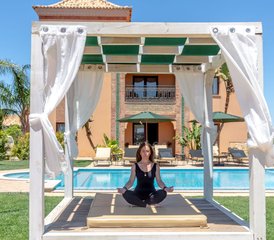
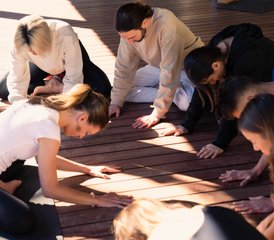
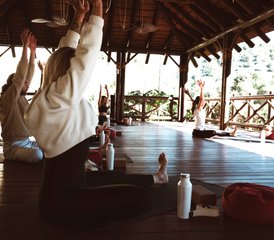
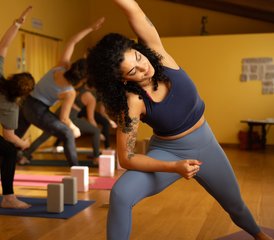
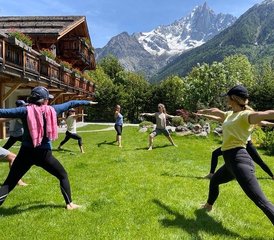
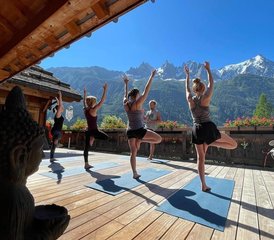
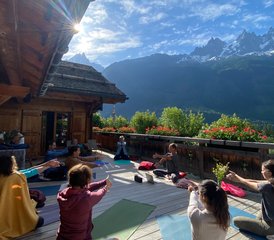
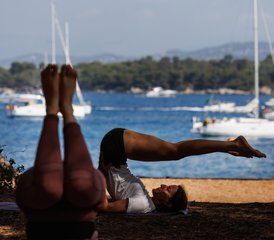
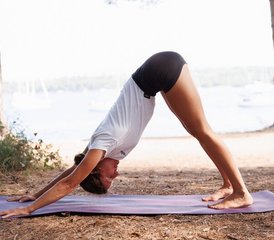
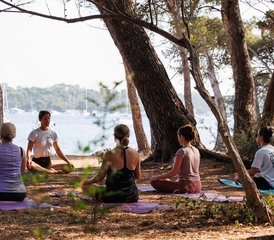
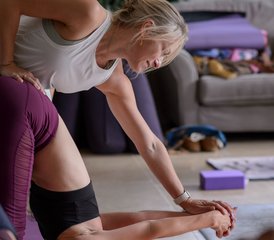
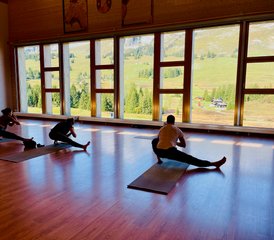
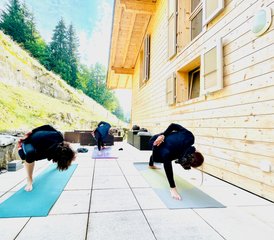
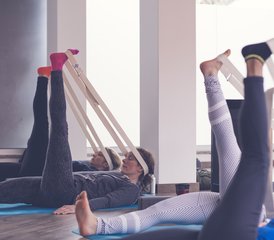
A Short Break and Weekend Yoga Retreat in Europe offers the perfect balance of relaxation, movement, and exploration. Expect to join daily yoga sessions, guided meditation, and breathwork.
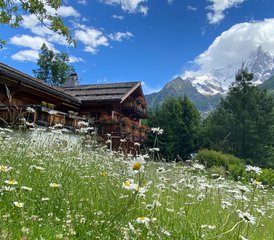
Many retreats take place in stunning locations – from the sun-drenched Mediterranean coasts to the peaceful alpine hideaways or historic countryside manors.
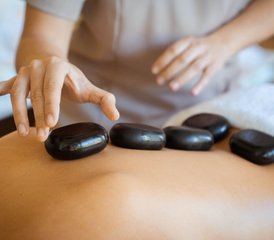
During a Short Break and Weekend Yoga Retreat in Europe, you’ll enjoy nourishing meals and have plenty of time to unwind. Maybe you'll also wander through nature, treat yourself to a massage, or explore a quaint little village. The best part? You’ll return home feeling refreshed, inspired, and ready for whatever comes next.
Europe offers a diverse array of stunning locations perfect for Short Yoga Retreats, catering to all types of preferences. Whether you’d like to practice by the coast, in the mountains, or in the countryside, it has plenty to offer! Here are some popular destinations:
Spain is probably the most popular option for yoga enthusiasts going on a short break in Europe. Think sunshine, the sound of waves, and maybe a little tapas after your sunset yoga session. Places like Ibiza and Menorca are super popular, but even the mainland coast is gorgeous.
Then there's Greece. Picture yourself doing warrior poses with the Aegean Sea sparkling in the background. Crete's a bigger spot, but you can find smaller, quieter islands if you really want to get away from it all.
Italy is another exciting destination. You’re doing yoga surrounded by vineyards or overlooking those colorful cliffside towns. The Amalfi Coast, Tuscany, or Apulia are all calling your name. Plus, you'll be enjoying plenty of mouthwatering dishes. What's not to love?
Portugal is also increasing in popularity, particularly the Algarve as it offers that relaxed, surfer vibe, and beautiful beaches. Plus, it's a bit less crowded than some of the other spots. You can do yoga, maybe try surfing, and just enjoy the laid-back atmosphere.
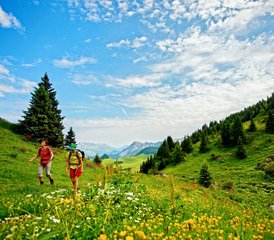
And if you're more of a mountain person, Austria is incredible. Fresh air, stunning views, and you can combine yoga with hiking if you’re heading to the mountains. It's a different kind of relaxation, but just as enjoyable.
It really depends on what you’re after. If you want sunshine and warmth, late spring (May/June) and early autumn (September/October) are usually perfect. You avoid the crazy summer crowds and the weather's lovely.
Summer (July/August) is great if you love the heat but be prepared for busier locations and higher prices. And even winter (December to March) can be special with retreats in cozy cabins.
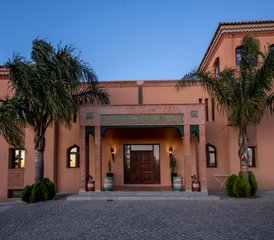
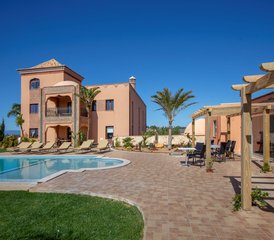
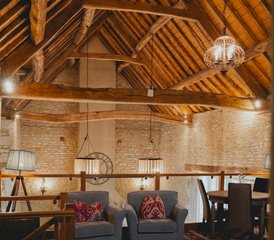
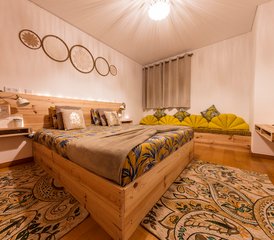
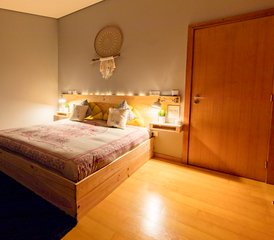
Short Breaks and Weekend Yoga Retreats in Europe offer a range of accommodations to suit different preferences and budgets. You’ll find everything from cozy countryside cottages and eco-lodges to boutique hotels and luxury spa resorts.
Many retreats take place in charming rural settings, offering serene stays in traditional farmhouses or stylish glamping tents. For those who prefer a more immersive experience, ashrams and dedicated yoga centers provide simple yet comfortable shared or private rooms.
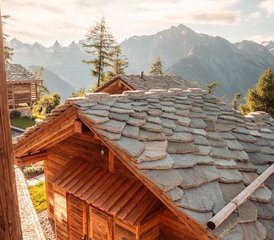
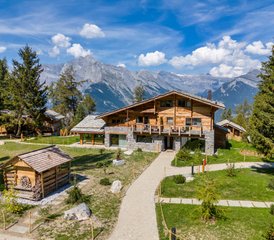
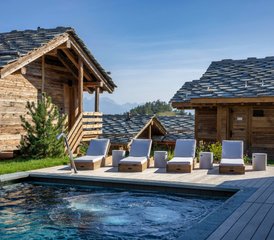
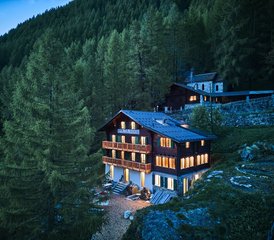
Seaside retreats often feature beachfront villas or wellness resorts with spa facilities, while mountain getaways might include alpine chalets with breathtaking views.
Whether you’re seeking rustic charm or modern comfort, most accommodations prioritize tranquility, natural surroundings, and a connection to well-being. They’re perfect for unwinding over a short yoga escape.
Meals at Short Breaks and Weekend Yoga Retreats in Europe is typically fresh, nourishing, and aligned with a wellness-focused lifestyle. Most dishes served are likely vegetarian or vegan, often made with organic, locally sourced ingredients.
Expect colorful, plant-based dishes like nourishing Buddha bowls, hearty soups, fresh salads, and wholesome grains. Some retreats incorporate Ayurvedic or macrobiotic principles, while others focus on Mediterranean flavors with seasonal fruits, nuts, and olive oil-rich meals.
Herbal teas, fresh juices, and smoothies are common beverages, and many retreats encourage caffeine-free options to support relaxation. While alcohol is generally not included, some retreats, especially in wine regions, might offer a tasting experience.
But no matter the menu, the emphasis is on balance, nourishment, and supporting your yoga journey.
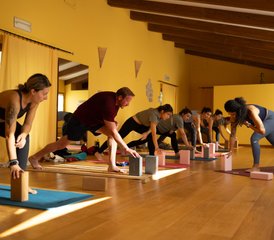
Short Breaks and Weekend Yoga Retreats in Europe often include a mix of yoga sessions, mindfulness practices, and optional excursions to enrich your experience.
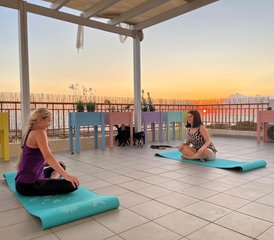
Mornings typically start with energizing yoga flows, while evenings feature restorative yoga or meditation sessions. To help you truly understand yoga and make it a natural part of your day, some retreats offer engaging workshops, talks, and seminars. For deeper relaxation, you may enjoy sound healing, massages, or other spa treatments.
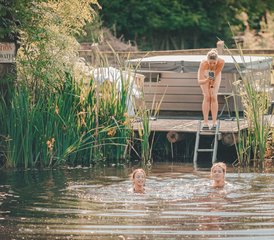
Many retreats offer guided nature walks, hikes, or beach strolls, depending on the location. In coastal areas, stand-up paddleboard (SUP) yoga, surf classes, or wild swimming might be included, while countryside retreats may offer forest bathing or horseback riding.
Cultural activities like local market visits, wine tastings, or exploring historic towns are also common, especially in regions rich in heritage.
Yes! Many Short Breaks and Weekend Yoga Retreats in Europe offer opportunities for cultural immersion and local interaction. Depending on the location, you might visit nearby villages, explore historic landmarks, check out local markets, or partake in cooking classes.
You'll find that some retreats work with local artisans, offering workshops in pottery, painting, or basket weaving. And if you're out in the countryside, you could end up helping farmers gather sun-ripened olives or plucking grapes straight from the vine, all while getting the inside scoop on how they keep their farms running sustainably.
Europe hosts several cultural and spiritual events celebrating yoga, wellness, and mindfulness throughout the year. The most notable is International Yoga Day, celebrated each year on June 21st. Cities across the Old Continent organize free outdoor yoga sessions, workshops, and festivals. Many retreats also align with the solstices and equinoxes, incorporating special ceremonies, meditations, or rituals to mark the change of seasons.
Various yoga and wellness festivals are also organized, bringing together global teachers and participants. Barcelona Yoga Conference (Spain), YogaFest Amsterdam (Netherlands), and World Yoga Festival (UK) are just some of the most popular.
Additionally, retreats in places with strong spiritual traditions, like the Greek Islands or Italian monasteries, may integrate local customs, from changing and sound healing to silent retreats inspired by monastic practices.
Transportation to and from the airport is usually not included in these packages, but many retreats offer optional transfers for an additional fee. Some provide shuttle services from the nearest airport or train station, especially if the retreat’s location is remote. Others may recommend local taxis, car rentals, or public transport options.
However, it’s always best to check in advance whether transfers are available or if you'll need to arrange your own transport.
You haven't truly experienced Europe until you've visited its incredible landmarks. Here are just some to check out:
Standing tall over Paris (France), the Eiffel Tower is an enduring symbol of romance and elegance, drawing millions of visitors seeking to admire its iconic structure and panoramic views of the City of Light from its observation decks.
In Italy, the Colosseum in Rome stands as a powerful reminder of the grandeur of the ancient Roman Empire, where gladiators once battled in front of roaring crowds. Walking through its ruins feels like stepping back in time.
For nature lovers, Norway’s majestic fjords, such as Geirangerfjord and Nærøyfjord, offer breathtaking scenery with steep cliffs, cascading waterfalls, and serene waters perfect for boat trips and hiking adventures.
Meanwhile, in the heart of Bavaria, Neuschwanstein Castle rises like a fairytale vision against the forested mountains. This masterpiece, commissioned by King Ludwig II, inspired Disney’s Sleeping Beauty Castle and remains one of Germany’s most enchanting sites.
Alhambra in Granada (Spain) is a marvel of Moorish architecture, with intricate tilework, grand courtyards, and lush gardens that transport visitors to a time of sultans and poets.
And no trip to the Old Continent would be complete without visiting Santorini (Greece), where white-washed houses with blue-domed roofs tumble down cliffs towards the azure sea. This Cycladic Island is famous for its breathtaking sunsets, charming villages, volcanic villages, and unique wine.
You wouldn't believe how many hidden gems Europe has! Every corner you turn, there's some incredible off-the-beaten-path spot waiting for you.
If you’re looking for something more unique, here are some lesser-known spots that offer an authentic experience:
Tucked between North Macedonia, Albania, and Greece, Lake Prespa is often overlooked in favor of its more famous neighbor, Lake Ohrid. The lake offers lush landscapes, bird-watching opportunities, and peaceful villages.
A lesser-known ski resort nestled in the French Alps, Valloire offers an authentic mountain experience without the crowds of larger places like Chamonix. You can explore picturesque valleys, enjoy hikes, and immerse yourself in the traditional alpine life.
Just a short drive from either Budapest or Vienna, Sopron (Hungary) is a charming, medieval town that remains relatively unknown to international visitors. Walk on cobblestone streets, admire medieval gates, and check out nearby vineyards.
While Albania is becoming more known, its Riviera remains an undiscovered paradise. Beautiful, untouched beaches, crystal-clear waters, and traditional villages like Himarë or Dhërmi make it a hidden gem for those who seek quieter coastal experiences, far from the overrun beaches of other Mediterranean countries.
One of Romania’s lesser-known natural wonders, Bicaz Gorge is a narrow, winding canyon carved by Bicaz River. The forests are green and lush, ideal for hiking. You can find a bunch of hidden trails and caves to explore.
While Europe is a small continent, the languages spoken vary widely (over 200 languages). across the continent. Some of the most common include English (the UK, Ireland, Malta, and Gibraltar), Spanish (Spain), German (Germany, Austria, Belgium, and Luxembourg), French (France, Belgium, Luxembourg, Monaco, and Switzerland), and Italian (Italy, San Marino, Switzerland, and Vatican City).
Especially in major cities and tourist areas, English is often understood. Northern and Western European countries like the Netherlands, Sweden, and Denmark tend to have very high levels of English proficiency, while in Southern and Eastern Europe, it’s more common to find English spoken by the younger generations people, but less so among older locals, as well as in rural or less-touristy spots,
Europe is a food lover’s paradise, where each country offers its unique flavors and culinary traditions. Whether you're indulging in savory delights, sipping a refreshing drink, or satisfying your sweet tooth, here are some dishes that'll make your mouth water:
When it comes to Greek comfort food, nothing beats moussaka. Think layers of tender eggplant and seasoned meat topped with a creamy béchamel sauce, all baked until golden brown.
Spain's pride and joy is paella, a gorgeous rice dish packed with seafood and/or chicken and colored with precious saffron. Pair it with a crisp white wine or cool off with sangria, that beloved mix of wine, fresh fruit, and a splash of brandy.
Down in Provence (France), they've mastered ratatouille: a cozy stew of summer vegetables slowly cooked with plenty of olive oil, garlic, and fragrant herbs.
In Vienna, you can't leave without trying their famous Wiener schnitzel, a perfectly crispy breaded veal cutlet that'll make you understand why it's an Austrian icon.
And for dessert? Italy's tiramisu is pure heaven. The ladyfingers are soaked in rich espresso, and layered with creamy mascarpone, offering a delightful experience in every spoonful.
When traveling through Europe, it's important to respect local customs. Greet people with a friendly handshake or a polite “bonjour” in France or “hola” in Spain.
Be punctual. Timeliness is valued, especially in countries like Germany and Switzerland.
No matter which country you’re visiting in Europe, always greet with a smile and make eye contact. Also, be mindful of personal space. It’s ideal to avoid overly intimate gestures unless invited.
Each country has its own unique norms, so a little research goes a long way!
Yes, some places in Europe have specific dress codes, especially in religious sites and formal settings.
In churches and cathedrals (in places like Italy, Spain, Greece, or Romania), modest attire is required. Make sure to cover your shoulders and knees.
When dining in upscale restaurants or attending events such as opera or theatre performances, smart-casual or formal attire is expected.
In Scandinavian countries, casual dress is common, but it's always a good idea to dress neatly for business or social gatherings.
Tipping culture varies across Europe. In many countries like France, Italy, and Spain, a service charge is often included in the bill, so tipping is not mandatory but appreciated (5-10% is common).
In Germany and Austria, rounding up the bill or leaving a small tip is customary. In Scandinavia, tipping is less common as service charges are included, but rounding up is still polite.
In Eastern Europe, tipping around 10% is appreciated, though not always expected.
While credit cards are widely accepted in most places, it’s always a good idea to have some cash on hand for smaller shops or rural areas. ATMs are easy to find (especially in bigger cities) but do remember that many banks charge foreign transaction fees for withdrawals. It’s a good idea to carry a (international) travel-friendly card.
In most countries, public transportation is efficient and affordable, with trains and buses connecting countries. Most big cities offer at least buses, but you’ll likely have many choices, such as trams and metros, particularly in popular destinations.
Free Wi-Fi is often available in cafes and hotels, but make sure to use a VPN when you log onto any public network to ensure privacy & security.
Buy a BookYogaRetreats gift card for anyone seeking relaxation, mindfulness, and meaningful travel experiences. From peaceful beachfront escapes to immersive wellness retreats, let them choose from inspiring yoga getaways around the world.
Over 250K yoga lovers and wellness seekers like you have chosen BookYogaRetreats for their unforgettable retreats so far. Hear what they have to say about us!
enjoyed through us worldwide
recommend booking with us
4.6 star average organizer score
“Amazing experience... most recommended”
 South Korea
“What an amazing experience I had a total reset💜”
 United States
“Yoga Teacher Training at Sundari was a wonderful experience.”
 United Kingdom
Proceeding confirms you accept Tripaneer’s terms & privacy policy.
We have sent you an email to validate your email address. Once you have followed the link provided, you can access all Tripaneer websites.
Check your email for the confirmation email. It will have a link to reset your password.