









The World’s Most Trusted Yoga Community
Over 250K yoga lovers and wellness seekers like you have chosen BookYogaRetreats for their unforgettable retreats so far. Hear what they have to say about us!

optional
A Christmas yoga retreat in Europe blends the magic of the holiday season with the tranquility of yoga practice.
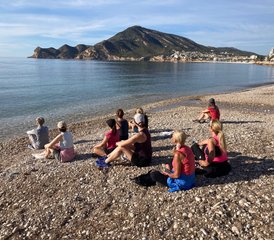
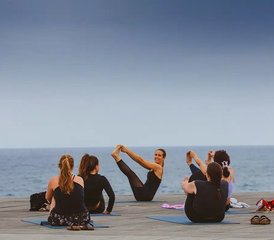
Imagine starting your day with gentle yoga flows, surrounded by picturesque snowy landscapes or the serene coast.
Alongside yoga classes, retreats often include meditation sessions and various wellness activities. You’ll enjoy nourishing meals and cozy accommodation and have plenty of time to connect with like-minded people.
In addition, you’ll likely partake in festive activities like visiting Christmas Markets or digging into seasonal feasts.
Whether you’re seeking inner peace, physical rejuvenation, or a meaningful way to spend the holidays, a Christmas yoga retreat in Europe offers a truly enriching experience.
The Old Continent offers a stunning variety of destinations for Christmas yoga retreats. Here are just some of them:
Experience yoga amidst breathtaking views, cozy alpine chalets, and fresh mountain air in the Swiss Alps. Many retreats include skiing or snowshoeing to make the best of the winter season.
Blend yoga with indulgent dishes, vineyard visits, and the charm of historic villages in Tuscany (Italy). During the holiday season, enjoy a retreat filled with warmth and culture.
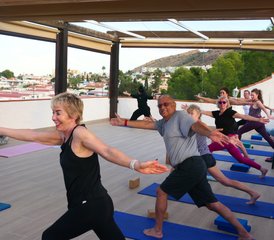
Bask in the winter sun as you practice yoga in Spain’s Andalucia region, known for its architecture and coast beauty. And if you’re seeking even warmer shores, head to the Canary Islands.
Want to experience the magical Northern Lights? In Iceland, you’ll get the chance to immerse yourself in yoga sessions paired with geothermal hot springs, snowy landscapes, and colorful aurora borealis sightseeing.
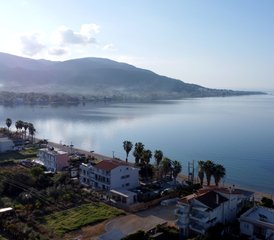
And if you prefer a more peaceful retreat, escape to the Mediterranean shores on one of the Greek Islands. Crete offers the warmest climate alongside a peaceful setting and gorgeous sea views. Further north, the Cyclades offer a nice escape from the summer’s crowds, with equally charming views and balmy weather.
The weather during a Christmas yoga retreat in Europe varies depending on the destination.
Northern Europe, including Scandinavia, offers snowy landscapes and freezing temperatures, ideal for cozy indoor retreat vibes. Likewise, Central Europe, in places like Germany or the Alps, sees cold winters with some snow.
Southern Europe, including Italy, Greece, and Spain, enjoys milder winters with average temperatures around 10–15°C (50–59°F). This makes it ideal for enjoying outdoor activities, including yoga sessions.
And if you’re seeking spring-like weather, the Spanish Islands (Canary Islands and the Balearic Islands) provide daytime temperatures around 20°C (68°F).
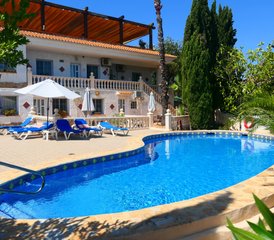
Accommodation options for Christmas yoga retreats in Europe cater to various preferences and budgets. You’ll likely stay in mountain lodges in the Alps, charming countryside villas in Tuscany, or serene seaside resorts in the Canary Islands.
If you’re looking for a unique experience, eco-friendly accommodations nestled in nature or historic monasteries offer tranquil settings.
You’ll likely have a choice between shared and private rooms, often with amenities such as fireplaces, yoga shalas, and spa centers.
Most Christmas yoga retreats in Europe include at least one meal in the package. You’ll likely indulge in nourishing, wholesome meals, that align with a healthy lifestyle, complemented by festive treats.
In Italy, you might enjoy traditional panettone or pandoro as a sweet holiday delight, while in Germany, hearty soups are common.
Many retreats offer vegan or vegetarian options, emphasizing fresh, local ingredients. Herbal teas and even mulled wine or cider might accompany the meals, adding a festive touch to the experience.
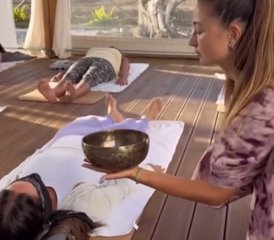
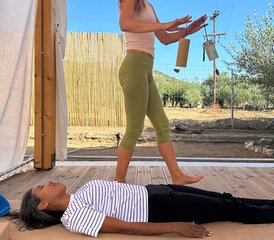
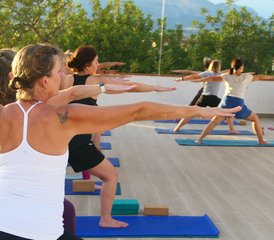
Most retreats include daily yoga classes, complemented by meditation sessions. In addition, various wellness activities might be included such as spa treatments, sound healing, or ceremonies.
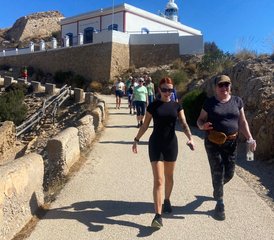
Beyond the mat, these retreats often include excursions like winter nature walks, hikes in snow landscapes, or coastal strolls – depending on the location you’re visiting.
You might explore the local Christmas Markets, visit historical villages, or partake in cooking workshops or craft-making.
Yes, many Christmas yoga retreats in Europe offer opportunities for cultural immersion. You may visit nearby villages to experience traditional holiday markets, taste local delicacies, or join the festivities.
Some retreats also arrange workshops where you can learn about regional crafts, sing carols, or cook traditional dishes.
Transportation to and from the airport might be included in the price package, especially if the retreat is located in more remote areas.
Some retreats may offer transfers to or from the closest train station, bus stop, or port.
However, it can vary depending on the program, so it’s always a good idea to confirm with the retreat organizer beforehand.
Combine a rejuvenating yoga experience with exploring the charm of local traditions and landmarks in these top European destinations ideal for a Christmas retreat:
Known for its charming Christmas Markets, the majestic Schönbrunn Palace, and cozy coffeehouses, Vienna (Austria)should top your bucket list in winter. Pack multiple layers and don’t forget those mittens – the weather can be brutally cold!
Also home to beautiful Christmas Marts, as well as a charming Old Town, and one of Europe’s most impressive castles, Prague (Czech Republic) is a must-visit destination during the festive season.
The official hometown of Santa Claus, Rovaniemi (Finland) offers opportunities for reindeer rides and a glimpse of yoga under the Northern Lights.
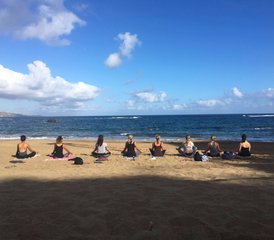
Escape the chill and head to the warmer Gran Canaria (Spain), where you can hike the volcanic landscapes, relax on the beaches, and strike your asanas surrounded by breathtaking views.
Lace up your hiking boots and venture into Samaria Gorge on Crete (Greece). Enjoy yoga by the sea, visit the Palace of Knossos, and indulge in one of the healthiest cuisines in Europe.
Away from the beaten path, Europe is filled with exquisite activities and places to visit. Add some of these to your travel itinerary:
Skip the crowded ski resorts and enjoy serene winter hikes through the snow-covered mountain trails of the Dolomites in Italy. Spectacular views, quiet beauty, and a well-deserved cup of hot chocolate await!
Visit the small chapel in Oberndorf (Austria), where the famous Christmas carol "Silent Night" was written.
Explore hidden Christmas Markets in Spain’s Basque region. The one in San Sebastián offers artisanal gifts and local delicacies, away from the usual tourist crowds.
Discover the magical Christmas traditions of rural Transylvania (Romania), from the caroling to the horse-drawn carriage rides through the snow-covered countryside. And if you’d like to visit Christmas Markets, the ones in Sibiu and Cluj-Napoca are charming and come packed with local delicacies.
Feel like you could use a thermal spa experience? Budapest is waiting! With plenty of options, you’re spoiled for choice. And then you can venture out in the cold again to explore the Christmas Markets or work on your balance on the ice rink.
Europe is a linguistically diverse continent, where countries have their own official languages. For example, French is the official language in France, Italian in Italy, Greek in Greece, and so on…
However, English is widely spoken across most European countries, especially in tourist areas, hotels, major cities, and by the younger generations.
In more rural or less touristy regions, however, it’s a good idea to learn and use (common) local phrases. to carry on a short conversation.
A melting pot of cultures, the dishes in Europe are as diverse as the nations on the continent. During the festive season, you’ll get the chance to dig into hearty foods, and here are just some you should consider trying:
Sarma (Serbia, Romania, Hungary) is a hearty dish of cabbage rolls stuffed with minced meat and rice and a staple during the Christmas season in Central-Eastern Europe.
Pork with Sauerkraut (Germany) is a dish of slow-cooked pork with the tangy sauerkraut.
Roast lamb (Greece) is a popular choice for Christmas dinner, often served with lemon and garlic, and infused with herbs, complemented by roasted vegetables.
Cotechino with Lentils (Italy) is a sausage dish served with lentils, to bring good luck in the New Year.
Salte cod (Portugal) is a Christmas staple, often prepared with olive oil, garlic, and vegetables.
Panettone (Italy) is the fluffy bread loaf with dried fruits and citrus zest that you’ll find in every house.
Wash everything down with mulled wine or cider. The spices used vary by region, though.
When interacting with locals in Europe, it’s important to be respectful of the cultural differences.
Greet people with a friendly “hello”, “bonjour”, or “yia sas”, depending on the country; and don’t forget to always use “please” and “thank you”.
Regardless of the European country you’re visiting, when you are dining out or you’re visiting someone’s house, don’t start eating until everyone is served.
If you’re dining in an upscale restaurant, go to the theater or opera, or attend business meetings, smart casual attire is preferred. If you’re attending events in ballrooms, for example, the dress code is always elegant.
When visiting religious sites, it’s respectful to cover your shoulders and knees. Avoid overly revealing clothes and, when in doubt, observe what locals wear and follow suit.
Tipping culture varies across the continent. In many places, a service charge is already included in the bills, so tipping is optional but appreciated. A good rule of thumb is to round up the bill or leave a 5-10% tip for exceptional service.
When it comes to using taxis, it’s common to round up the fare. While in hotels, you can tip housekeeping a few Euros (or the local equivalent).
When visiting Europe, it’s important to know which countries you need visas for. Some countries are part of the Schengen Agreement, while others are part of the European Union (EU) – and some are part of both. If you’re traveling from outside of the EU, you can stay in Schengen countries for up to 90 days in a 180 day period.
Currencies also vary. The most commonly used is the Euro, but even though countries might be part of the EU, they might not use the Euro (e.g. In Hungary, the Hungarian Forint is the local currency). Credit and debit cards are widely accepted across the continent but it’s always a good idea to carry cash in the local currency.
Public transportation is often efficient and reliable but be mindful of the local laws to validate the tickets.
Lastly, keep in mind that in Southern Europe, stores and restaurants may close for a few hours in the afternoon for a break. So plan your shopping and dining accordingly.
Buy a BookYogaRetreats gift card for anyone seeking relaxation, mindfulness, and meaningful travel experiences. From peaceful beachfront escapes to immersive wellness retreats, let them choose from inspiring yoga getaways around the world.
Over 250K yoga lovers and wellness seekers like you have chosen BookYogaRetreats for their unforgettable retreats so far. Hear what they have to say about us!
enjoyed through us worldwide
recommend booking with us
4.6 star average organizer score
“Amazing experience... most recommended”
 South Korea
“What an amazing experience I had a total reset💜”
 United States
“Yoga Teacher Training at Sundari was a wonderful experience.”
 United Kingdom
Proceeding confirms you accept Tripaneer’s terms & privacy policy.
We have sent you an email to validate your email address. Once you have followed the link provided, you can access all Tripaneer websites.
Check your email for the confirmation email. It will have a link to reset your password.